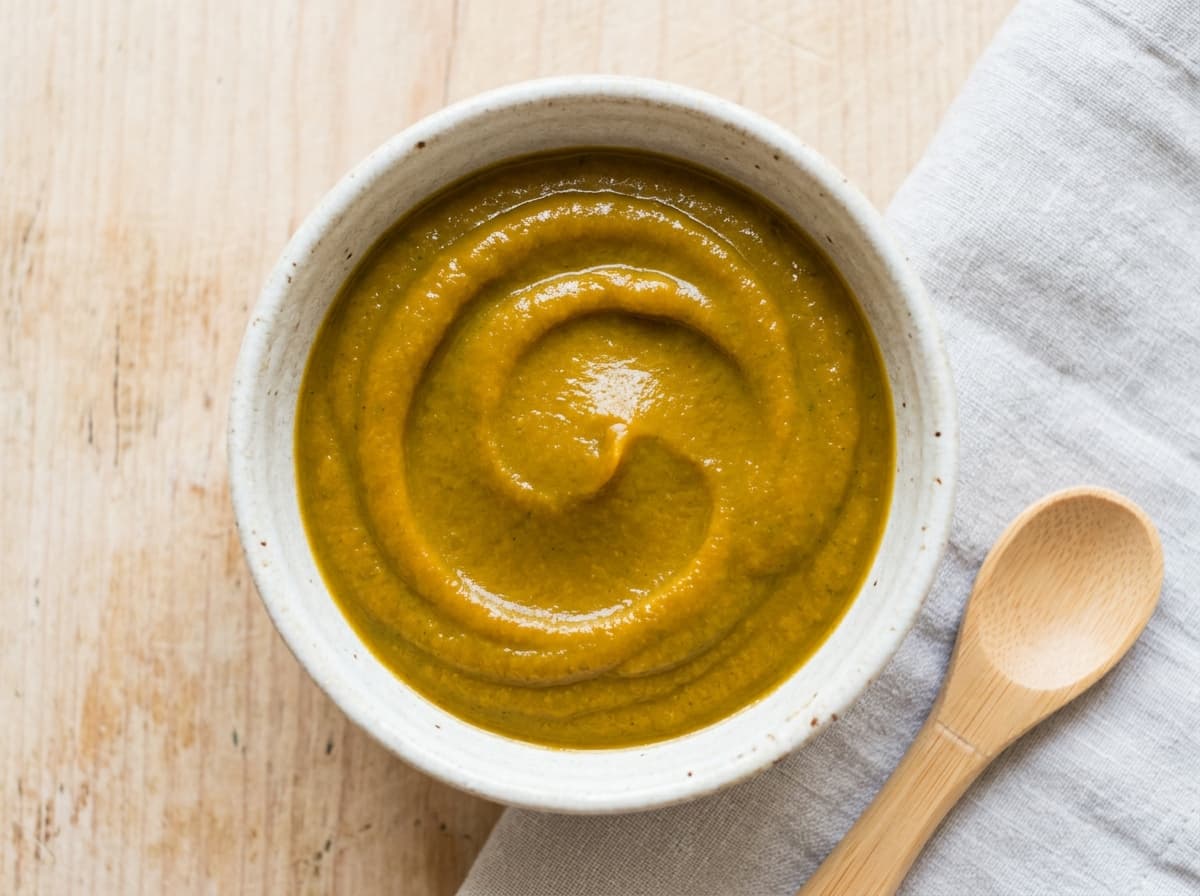
Warm Millet Porridge with Stewed Blueberries
Introduction
During pregnancy, especially in the early weeks, a warm and soothing breakfast can feel incredibly comforting. This millet porridge is easy to digest and provides valuable iron along with complex carbohydrates. The vitamin C from the blueberries helps your body absorb the iron from the millet optimally.
Ingredients
For 2 to 3 portions you will need:
- 150 g millet
- 400 ml oat drink or pasteurized milk
- 200 ml water
- 1 pinch of salt
- 1 tsp cinnamon (optional)
- 200 g blueberries (fresh or frozen)
- 1 tbsp maple syrup or agave nectar
- 2 tbsp ground almonds or nuts of your choice
Preparation
- Rinse the millet thoroughly in a fine sieve under hot running water.
- Place the millet, milk, water, and a pinch of salt into a pot and bring to a boil.
- Reduce the heat and let the porridge simmer gently on low for about 15 minutes, stirring occasionally.
- Remove the pot from the stove, cover it, and let the porridge rest for another 10 minutes.
- Meanwhile, briefly bring the blueberries, a small splash of water, and the maple syrup to a boil in a second pot.
- Stew the berries for about 3 to 5 minutes until they are soft and slightly thickened.
- Divide the finished millet porridge into bowls, top with the warm blueberries, and sprinkle with ground almonds.
Good to know
Millet naturally contains bitter compounds that are easily washed away by rinsing it with hot water before cooking. You can prepare this porridge the night before and quickly reheat it in the morning with a splash of milk on the stove or in the microwave. If you prefer, stewed apples or pears make a wonderful alternative to blueberries.
If things feel difficult right now
Many pregnant women struggle with nausea or a sensitive stomach during the first few weeks. If you are feeling this way, you can cook the porridge with just water instead of milk and leave out the blueberries. A plain, mild millet porridge eaten in small portions is often very soothing and easy on your digestion.
Note
For any questions regarding your nutrition and health during pregnancy, it is always best to consult directly with your obstetrician, gynecologist, or midwife.